Do you need retainers forever? A guide to life after braces
“So, doctor, my braces are finally coming off. Does that mean I can stop worrying about my teeth moving?” It is one of those questions many patients think about as they approach the end of their orthodontic treatment. After months or even years of wearing braces, attending regular appointments and watching their smile gradually transform, getting the braces removed feels like the finish line. But there is one more important step: retainers. If you have recently completed orthodontic treatment or are planning to get braces, you have probably wondered, do you have to wear retainers forever after braces? Is wearing them for a few months enough? Can you eventually stop wearing them at night? And what happens if you forget to wear your retainer for a few days? The short answer is that you should expect to wear your retainers indefinitely, usually at night once your orthodontist allows you to reduce the initial wear schedule. However, the exact instructions depend on your teeth, your treatment and how stable your bite is. Let's understand why retainers matter, how long you need them, and what life after braces really looks like.
Why do you need a retainer after braces?
Braces work by applying gentle, controlled pressure to move your teeth into better positions. As your teeth move, the surrounding bone gradually remodels, allowing the teeth to settle into their new alignment. However, removing your braces does not mean your teeth are permanently fixed in place.The fibres around your teeth need time to adapt, and the bone and surrounding tissues continue to adjust after active treatment ends. Without a retainer, your teeth can gradually move away from their corrected positions. Several factors can contribute to teeth shifting back after braces:
Gum fibers: The fibers surrounding your teeth can retain a tendency to pull them towards their original positions.
Bone remodelling: The bone supporting your teeth continues adapting after orthodontic movement.
Ageing: Teeth can change position naturally throughout adulthood, even in people who never wore braces.
Grinding and clenching: These habits can place additional forces on your teeth.
Oral habits: Persistent habits, including tongue thrusting, may influence tooth position in some patients.
Natural bite changes: Changes in your bite and the way your teeth meet can contribute to shifting over time.
This is why retainers are not simply an optional accessory after braces. They help preserve the results you worked so hard to achieve.
Do you have to wear retainers forever after braces?
In most cases, yes. If you want to maintain your orthodontic results, long-term retainer wear is recommended. Think of braces as the treatment that moves your teeth into position and retainers as the appliances that help keep them there. The good news? Wearing a retainer forever after braces does not necessarily mean wearing it all day, every day, for the rest of your life. Most patients transition from an initial period of more frequent wear to nighttime retainer wear, following their orthodontist's instructions. The important distinction is that the duration of full-time wear is limited, but the need for maintenance may continue indefinitely. Even if your teeth have remained straight for five or ten years, natural changes can still occur. There is no universal point at which every patient can safely stop wearing a retainer. Your orthodontist will recommend a schedule based on your individual treatment and the stability of your teeth.
How long do you have to wear a retainer after braces?
Your retainer schedule depends on your orthodontist’s advice, but it generally follows three phases.
Phase 1: Full-time wear
After braces are removed, your teeth may be more likely to shift. Your orthodontist may recommend wearing a removable retainer full-time, removing it only for meals and cleaning.
Phase 2: Nighttime wear
Once your teeth stabilize, you may switch to wearing your retainer only at night. This helps maintain alignment without affecting your daily routine.
Phase 3: Long-term maintenance
Even after years, teeth shifting after braces can happen. This is called as orthodontic relapse. Many orthodontists recommend continued nighttime retainer wear indefinitely to maintain your results. Your orthodontist may adjust your schedule over time, but do not reduce your wear frequency or stop wearing your retainer without professional advice.
What happens if you stop wearing your retainer?
After years of orthodontic treatment, stopping your retainer because your teeth look straight may seem harmless. However, teeth can gradually shift back over time. Here’s what can happen:
Gaps may reopen: Spaces between teeth can return.
Crowding may return: Teeth may overlap or rotate.
Your bite may change: Your upper and lower teeth may no longer align properly.
Your retainer may not fit: Shifting can make it uncomfortable or difficult to wear.
You may need further treatment: Significant shifting may require a new retainer or additional orthodontic treatment.
Orthodontic relapse varies from person to person. The best way to maintain your results is to follow your orthodontist’s retainer-wearing instructions consistently.
Types of orthodontic retainers: which one is right for you?
Not all retainers look or function the same way. Your orthodontist may recommend a fixed retainer, a removable clear retainer or a Hawley retainer, depending on your needs.
1. Fixed Retainers
A fixed retainer consists of a thin wire bonded to the back surfaces of certain teeth, usually the front teeth. Because it stays in place, you do not have to remember to put it in every night.
Advantages:
Provides continuous retention.
Is hidden behind the teeth.
Does not depend on remembering a nightly routine.
Things to consider:
Cleaning between the teeth can require extra care.
Plaque and food debris can accumulate around the wire.
The wire or bonding can break or detach and needs professional attention.
Fixed retainers are particularly useful in situations where maintaining the alignment of specific teeth is important. However, they do not eliminate the need for regular dental check-ups.
2. Clear Removable Retainers
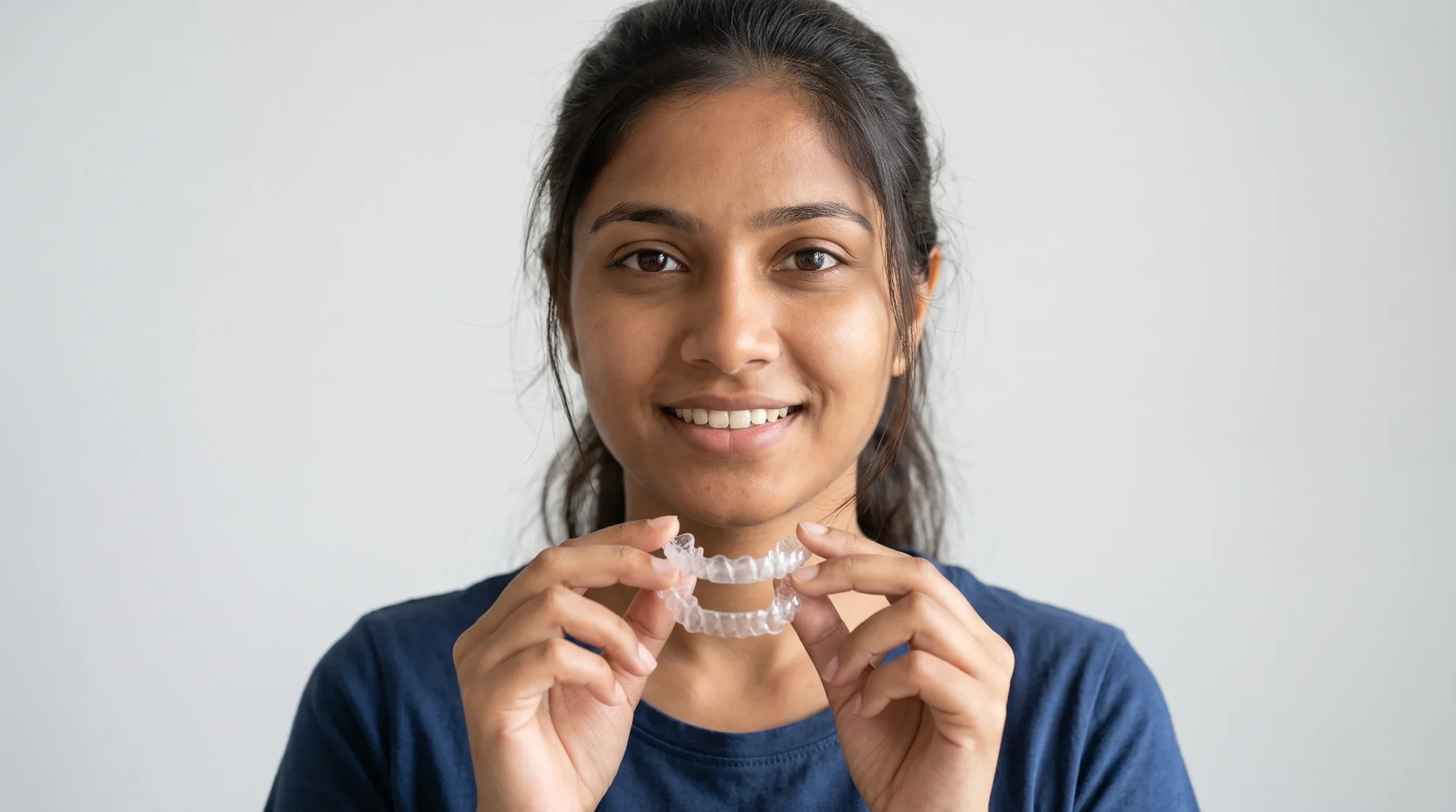
Clear retainers are transparent, custom-made appliances that fit over your teeth. They are popular because they are discreet and generally easy to incorporate into everyday life.
Advantages:
Nearly invisible when worn.
Custom-fitted to your teeth.
Easy to remove for cleaning.
Things to consider:
You must remember to wear them as instructed.
They can crack, warp or become damaged.
They may need replacement as they wear out.
Clear retainers are often a convenient choice for patients who want a discreet option after braces or aligner treatment.
3. Hawley Retainers
Hawley retainers are removable appliances made from a combination of acrylic and metal wire. The acrylic portion rests against the palate or inside the lower teeth, while the wire helps maintain tooth alignment.
Advantages:
Durable when properly cared for.
Can often be adjusted by an orthodontist.
May last longer than some clear removable retainers.
Things to consider:
More noticeable than clear retainers.
Require consistent wear and cleaning.
There is no single best retainer for everyone. Your orthodontist will consider your tooth movements, bite, treatment goals and lifestyle before recommending an option.
How to Clean a Retainer Properly
A retainer spends hours in your mouth, so keeping it clean is essential. Poor cleaning can allow plaque, bacteria and unpleasant odours to accumulate. For removable retainers, follow these simple tips:
Rinse after removal: Rinse your retainer with cool or lukewarm water to remove saliva and debris.
Avoid hot water: High temperatures can distort plastic retainers and affect their fit.
Use a gentle cleaning method: Clean your retainer using a soft brush and a suitable cleaner recommended by your orthodontist.
Avoid abrasive toothpaste: Regular toothpaste can scratch some retainer materials, making them more prone to staining and buildup.
Store it safely: Keep your retainer dry in its protective case when you are not wearing it.
Clean it regularly: Follow the cleaning instructions provided for your particular appliance.
If you have a fixed retainer, pay particular attention to cleaning around the wire. A floss threader or interdental brush can help clean areas that are difficult to reach with a regular toothbrush.
Your dentist or orthodontist can demonstrate the correct technique.
How Often Should Retainers Be Replaced?
Although retainers may need to be worn long-term, they do not last forever. Their lifespan depends on the material, frequency of use, cleaning habits and teeth grinding.
Clear retainers: Usually last around 1–2 years, depending on wear and care.
Hawley retainers: Can last several years with proper maintenance.
Fixed retainers: Can last many years but require regular checks to ensure the wire and bonding remain intact.
Signs Your Retainer Needs Replacing
Cracks, tears or sharp edges.
A loose or distorted fit.
Persistent odours despite proper cleaning.
A broken or detached fixed-retainer wire.
Discomfort or difficulty wearing it properly.
If your retainer is damaged or no longer fits correctly, consult your orthodontist rather than continuing to use it. If it is lost or damaged, arrange a replacement promptly to help prevent unwanted tooth movement.
Life After Braces: Keep Your Smile for the Long Run
Getting your braces removed is an exciting milestone. It is the moment you finally see the results of your patience, commitment and orthodontic treatment. But maintaining that smile is an ongoing process, much like how staying fit is. Wearing your retainer as instructed, keeping it clean, attending regular dental check-ups and replacing it when necessary can help protect your results for years to come. And remember, if your retainer starts feeling tight, becomes damaged or no longer fits, do not ignore it. A quick visit to your orthodontist can help you address the problem before it becomes more complicated.